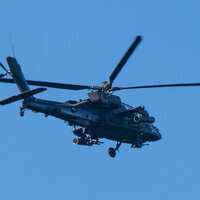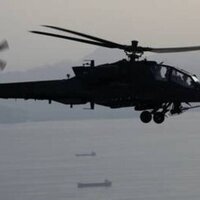


Florida [US], June 10 (ANI): The US Central Command announced that the military operations launched against Iran following the downing of an American Army Apache helicopter near the strategic Strait of Hormuz have concluded.
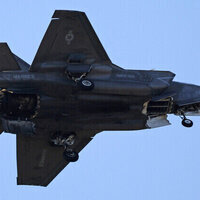
In an official statement, the US Central Command stated, 'CENTCOM forces struck Iranian air defense, ground control stations, and surveillance radar sites near the Strait of Hormuz with precision munitions from U.S. Air Force and Navy fighter jets.'
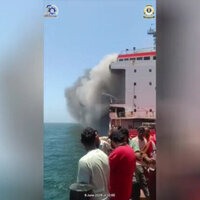
Detailing the objectives of the military action, the US Central Command added that, 'The operation was a proportional response to recent attacks on U.S. forces and international commercial ships transiting regional waters.'
Reaffirming its commitment to regional security, the US Central Command further noted, 'U.S. forces remain vigilant and postured to defend against unjustified Iranian aggression.'
https://x.com/CENTCOM/status/2064512017197941163?s=20
The military action marks a sharp escalation in tensions between Washington and Tehran, occurring early Wednesday even as US President Donald Trump seeks a diplomatic resolution to end the regional conflict. According to US officials, the retaliatory operation involved three rounds of strikes.
President Donald Trump characterised the military deployment as a deliberate and forceful reaction to the incident. Speaking to ABC News, President Trump affirmed that the United States was responding 'in a strong manner' after 'what they did with our helicopter last night.'
President Trump added that 'And I believe the response should be very strong, very powerful, and that's what this one is.'
These strikes took place just hours after President Trump indicated that negotiations to conclude the broader West Asia conflict were nearing completion, despite facing multiple complications over recent weeks.
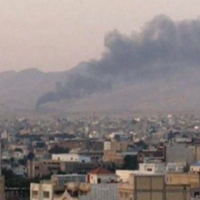
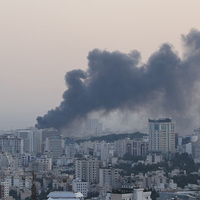
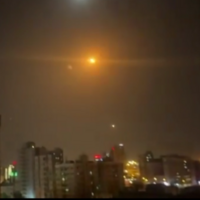
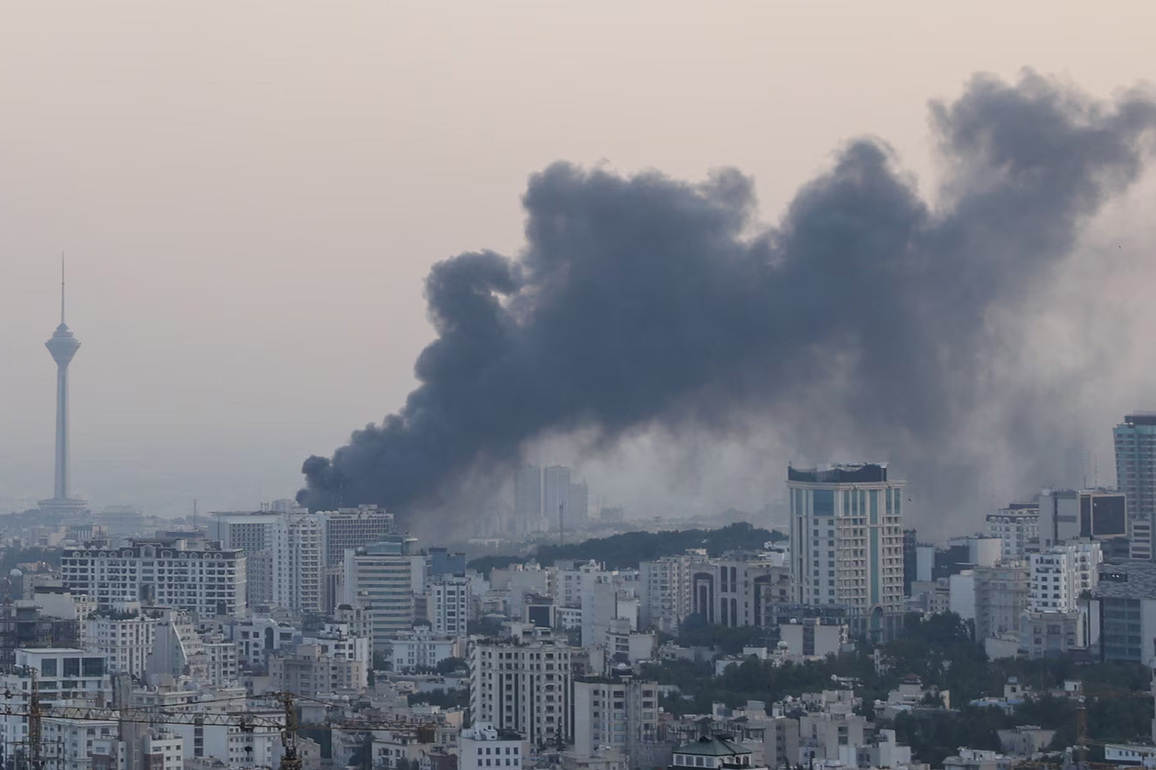
However, the immediate impact of the command's orders was felt across the region as local and international media outlets quickly reported widespread blasts along Iran's southern coastline.
According to an Al Jazeera report, loud explosions were heard in the cities of Jask and Bandar Abbas, though the full scale of the damage remains unverified.
Concurrently, Iran's Tasnim news agency reported that explosions were also heard on Qeshm Island, adding to the series of blasts impacting the region.
The report further noted that prior explosions had been heard across various other sites in southern Iran, including Sirik.
Meanwhile, Iran's Fars news agency reported that the strikes also hit and destroyed two water tanks in the Bemani district of Sirik.
In the wake of these coastal explosions, Iran responded swiftly to the American military action, vowing to defend its territory.
Iranian Foreign Minister Abbas Araghchi took to social media to issue a stern warning to Washington, writing that 'Despite its defeats on the battlefield, the US opted to test our determination. Our Powerful Armed Forces will leave no attack or threat unanswered. Leave our region if you want to be safe.'
The Iranian Foreign Minister also reiterated Tehran's demand for the withdrawal of all foreign military assets from the Strait of Hormuz and its adjacent waters.
Araghchi stated that 'The Strait of Hormuz is NOT international waters but shared between Iran and Oman.'
He further noted that 'Foreign forces in proximity to our territory are at constant risk on account of their own human errors, plain accidents, or potentially being caught in crossfire.'
The Foreign Minister warned that 'To reduce risk, best solution is for them to leave. We prefer language of diplomacy but speak other languages too.'
The downed Apache helicopter marks the second crewed American military aircraft lost during the current conflict, following the downing of an F-15 fighter jet in April.
Centcom officials confirmed that both crew members were successfully rescued within two hours of the crash near the coast of Oman and remain in stable condition.
A naval surface drone was reportedly utilised to assist in the rescue mission.
This military exchange severely threatens a fragile ceasefire that has precariously held since April.
While Iran and Israel engaged in a brief exchange of attacks over the weekend before halting, violence has persisted elsewhere in the region.
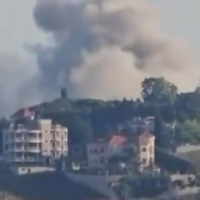
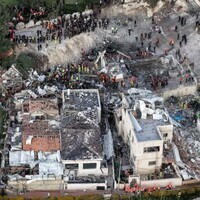
On Tuesday, Israeli airstrikes targeted the Lebanese city of Tyre, killing at least 11 people according to Lebanese officials, triggering fresh displacement and escalating fears of a wider war.
Ultimately, the renewed hostilities around the Strait of Hormuz have triggered anxieties over global energy corridors.
The strategic waterway facilitates approximately one-fifth of global oil shipments, and any prolonged instability is expected to quickly impact international energy markets. (ANI)