

Israel sought to start talks with Lebanon, where Iran-backed Hezbollah militants have been the target of a deadly Israeli bombardment that has drawn widespread condemnation and shaken the two-weekcease-firedeal reached by Washington and Tehran earlier this week.
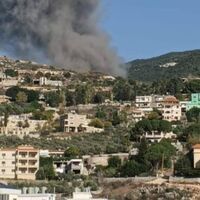
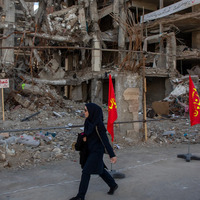
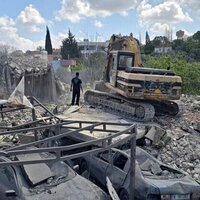
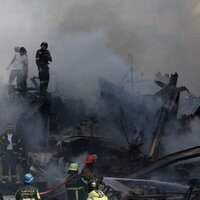
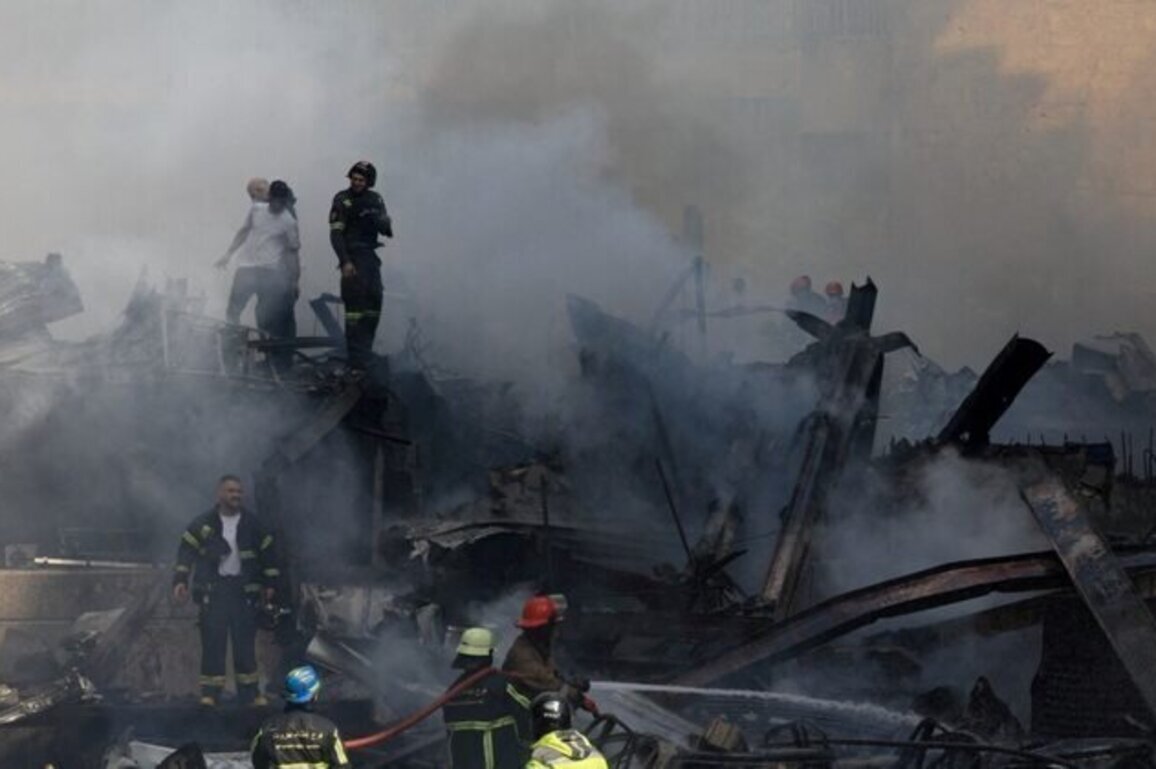
The Israeli strikes, which Lebanon's Health Ministry says killed more than 303 people on April 8, threatened to upend the temporary truce and upcoming talks between US and Iranian officials in Pakistan, which brokered the cease-fire agreement.
"In light of Lebanon's repeated requests to open direct negotiations with Israel, I instructed the cabinet yesterday to start direct negotiations with Lebanon as soon as possible," Israeli Prime Minister Benjamin Netanyahu said in a statement on April 9. "The negotiations will focus on disarming Hezbollah and establishing peaceful relations between Israel and Lebanon."
Shortly before Netanyahus statement, Lebanese President Joseph Aoun said that the only solution to the situation in Lebanon is to achieve a cease-fire between Israel andLebanon, followed by direct negotiations between them.
Reuters cited a senior Lebanese official as saying Lebanon had spent the last day pushing for a temporary truce to allow for broader talks with Israel. The official said that no date or location had been set and that Lebanon needed the US as a mediator and guarantor of any agreement, Reuters reported. Netanyahu had rejected an offer for direct talks with Lebanon in March.
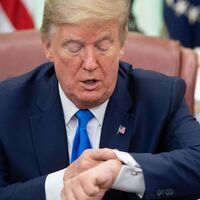
The US and Iran reached the two-week cease-fire agreement late on April 7, just hours before a deadline set by US President Donald Trump. But a dispute over whether the deal includes Lebanon has heightened tension and clouded prospects for progress.
Lebanon Dispute
Iran says the truce includes Lebanon. The US and Israel say it doesn't, and Netanyahu said in a social media post earlier on April 9 that Israel would "continue to strike Hezbollah wherever required, until we restore full security to the residents of the north," referring to the part of Israel that borders Lebanon.
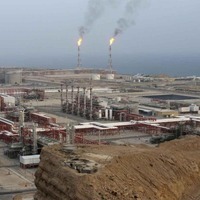
The US-Iran cease-fire agreement was also strained by the situation in the Strait of Hormuz, a crucial artery for ships carrying oil and gas from the Persian Gulf to global markets. There is no sign Iran has fully lifted its blockade of the strait, which has caused the worst disruption to global energy supplies in history.
SEE ALSO:
Netanyahu Seeks Israeli Talks With Lebanon 'As Soon As Possible'
Tehran said there would be no deal as long as Israel was striking Lebanon. In a post that came hours after Netanyahu's, Iranian parliament speaker Mohammad BaqerQalibafsaid that Lebanon was "an inseparable part of the cease-fire." He added that "violations carry explicit costs and strong responses."
Qalibaf is expected to lead Tehran's delegation, along with Foreign Minister Abbas Araqchi, in Pakistani-mediated talks in Islamabad. Vice President JD Vance is to lead the US delegation.
Several countries have expressed concern the issue of Lebanon and the Israeli bombardment threaten to unravel a deal that suspended the war after more than five weeks of fighting, which began with US and Israeli air strikes on Iran on February 28.
"Israeli actions are putting the US-Iran cease-fire under severe strain. TheIran truceshould extend to Lebanon," the European Union's top diplomat Kaja Kallas said on April 9.