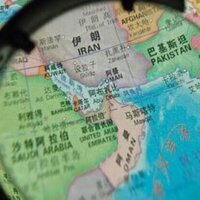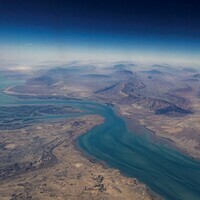



The war in the Middle East and the near halt to shipping in theStrait of Hormuzhas amplified the energy crunch facing developing nations in Africa andSouth Asiathat rely heavily on imported liquid gas, food and fertilizers.
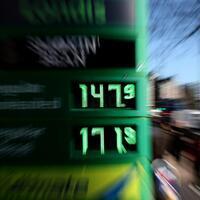
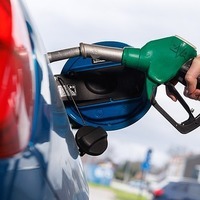
And with Brent Crude still trading at more than $100 per barrel, many workers and households have reverted to using oil and coal, raising concerns of lasting environmental damage, while numerous countries have already announced fuel rationing and a move to online meetings.
Just over four weeks since IsraeliUS bombing of Iran began, sparking the wider regional conflict, thealmost immediate disruption to tanker trafficin the vital Persian Gulf waterway cut oil shipments worldwide, followed by natural gas, coal, transport, food and fertilizers.
Only a small group of LDCs [Least Developed Countries] are net energy exporters: South Sudan, Angola, Chad, Mozambique, Lao PDR, Myanmar and Yemen, saidUNCTADs Junior Davis,Head of Policy Analysis and Research Branch Division for Africa, LDCs and Special Programmes.
The majority are net importers,includingNiger, Zambia, Rwanda, Ethiopia, Tanzania, Madagascar, Togo, Sudan, Uganda, Nepal, Eritrea, Benin, Bangladesh, Cambodia and Senegal.
Even oil exporters face pain
Highlighting the case ofAngola, Mr. Davis noted that the oil-exporting developing countries may only see limited gains from doing so, becausemany lack domestic refining capacity and re-import refined petroleum products at higher prices.
NeighbouringZambiafaces even greater hardship because it relies on refined fuel imported from the Middle East (and notably the UAE), just as LDCs remainheavily dependent on fertilizer produced abroad, since the manufacturing process relies heavily on natural gas (methane) - the UNCTAD economist explained.
According to the UN Food and Agriculture Organization (FAO),17 of the worlds poorest nations need to import more than 30 per cent of their cereal needs. Even more worrying, the same number of Least Developed Countries spend more than half of what they earn from exports just to buy food.
The implication is that rising energy prices will rapidly transmit into food prices and amplify the risk of hunger for households, Mr. Davis noted.
Limited room to manoeuvre
Finding quick solutions to the energy crisis will not be easy, given the high level of debt repayments hanging over many of the worlds poorest nations an issue that the UN Secretary-General has repeatedly criticized and urged the financial sector to reform, in the interests of fairness, competitiveness and growth.
Given how heavily indebted many developing countries are to foreign lenders and the squeeze on public spending they have faced for years,its highly likely that households will have to pay more for their energy, food and fertilizers and use less. Its not going to be pretty.
Crisis measures
- Bangladesh: binding measures including fuel rationing and electricity restrictions (with caps on air-conditioning, cooling and lighting) and university closures.
- Cambodia: reduced public sector energy use, online meetings, limited government travel, temperature controls, reduced fuel tax to help consumers and tightened oversight on pump pricing.
- Ethiopia: frugal fuel use encouraged.
- Myanmar: fuel rationing, alternatedriving days, mandatory remote work for public officials.
- Lao PDR: remote work and rotating shifts for civil servants, public campaigns promoting public transport, fuel rationing, transport restrictions, fuel tax cuts and subsidies.
- Senegal: reduced consumption appeals to households and firms.
Against this worrying backdrop, the UN trade and development agency, UNCTAD, noted that 15 of the worlds Least Developed Countries have yet to recover from the turbulent COVID years, with their economies in worse shape than in 2019.