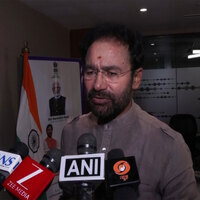


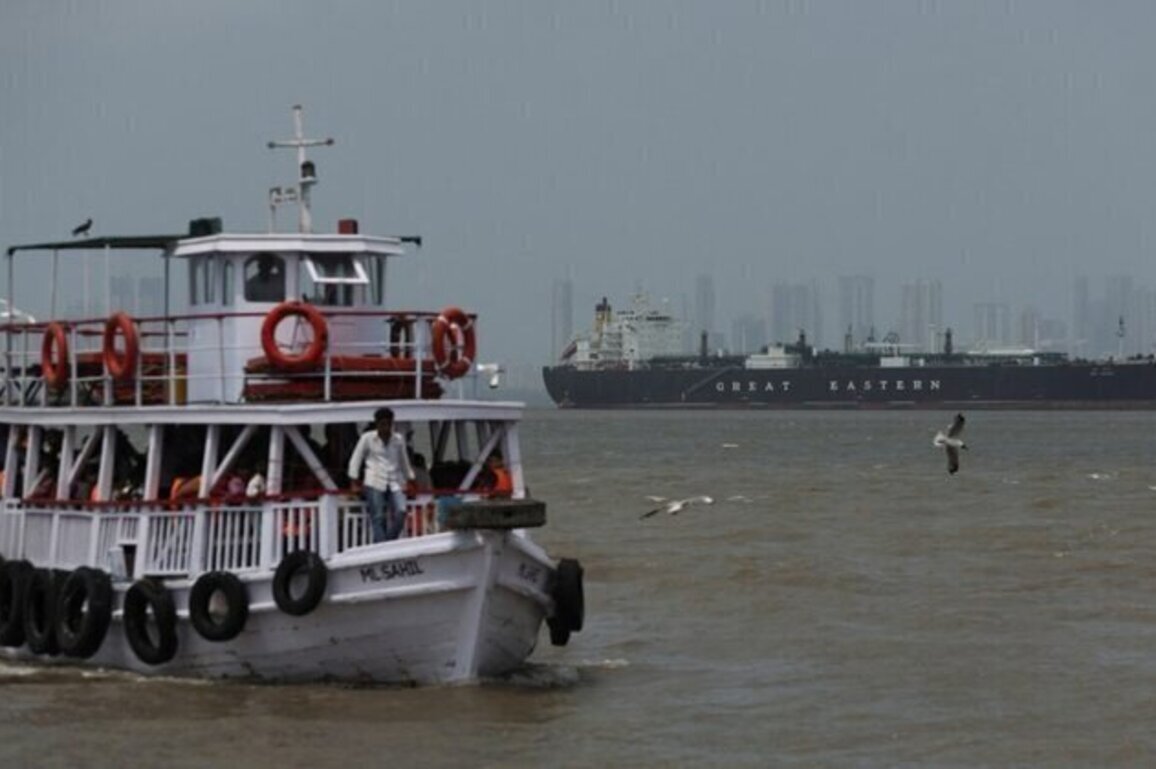
When an Indian tanker carrying liquefied petroleum gas (LPG) passed through the Strait of Hormuz recently, its progress was followed by excitedlive TV news coverage.
Its position was received eight minutes ago. Its currently at 12.5 knots and is moving at 154 degrees. Its reported ETA in India is at 9.30 p.m. tomorrow, reported one journalist, providing running commentary while following a tracker app.
Later, videos showed the ship with a military escort from the Indian Navy in the Gulf of Oman.
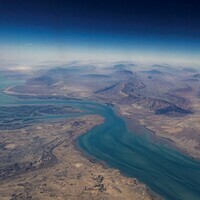
The attention was not unwarranted. Thewar in Iran, and Tehrans decision to largely close theStrait of Hormuz, have not only stopped supplies of crude oil and liquefied natural gas (LNG). Shipments of a whole range of other vital commodities have also almost completely ground to a halt.
SEE ALSO:
China, Pakistan Plan Focuses On Iran War Cease-Fire, Opening Strait of Hormuz
Even if the war ends, markets may not return to normal quickly. Iranian attacks have caused untold damage to industrial infrastructure in the region. Iran is also insisting that it has a sovereign right over the strait, though Washington says reopening the waterway is a condition for a cease-fire.
LPG
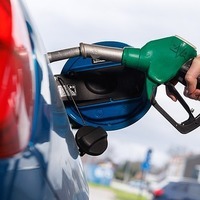
LPG is the refined product most affected by the Hormuz blockade, according to the latestmonthly reportby theInternational Energy Agency (IEA). Its a mix of propane, butane, and other gases used in heating appliances, cooking devices, automobile fuel, and refrigerators.
A shortage of the product in India has made international headlines, forcing people to cook on alternatives, including coal, firewood, and cow dung. India gets about 90 percent of its LPG imports from the Middle East, and the shortages have affected hundreds of millions of people.
But the damage goes beyond India.
China was the second largest importer of LPG via the Strait of Hormuz in 2025, second only to India, as it looked to diversify supply sources away from the US in light oftrade tensionsbetween the pair last year, Peter Wilton, an analyst at Argus, a commodity market intelligence company, told RFE/RL.