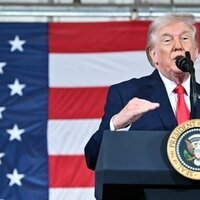


PresidentDonald TrumpwarnedIranof potential consequences should it fail to strike a deal with theUnited States, as negotiators prepare for the latest round of talks in Geneva on Tuesday.
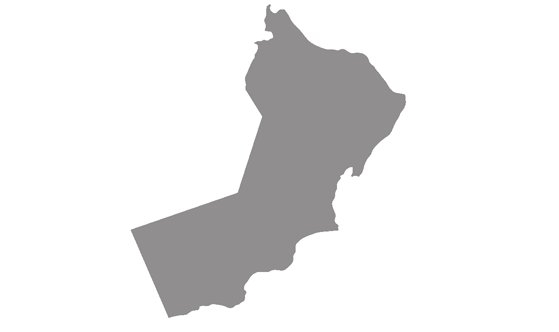
Mediated by Oman, the recently resumed discussions are aimed at averting the possibility ofUS militaryaction, with Tehran expressing cautious optimism at Washingtons more realistic position on itsnuclear programme.
Trump has repeatedly threatened to intervene militarily against Iran, first over a deadly crackdown on protesters last month and more recently over its nuclear programme.
I dont think they want the consequences of not making a deal, he told reporters aboard Air Force One ahead of the talks.
A previous attempt at diplomacy collapsed whenIsraellaunched surprise strikes on Iran in June, beginning a 12-day war that Washington briefly joined to bomb Iranian nuclear sites.
A cautious assessment is that, from the discussions that have taken place in Muscat to date, at least what we have been told is that the US position on theIranian nuclear issuehas moved towards a more realistic one, foreign ministry spokesman Esmaeil Baqaei said Monday, according to the official IRNA news agency.
According to Tehran, Tuesdays talks inSwitzerlandwill also be mediated byOman.
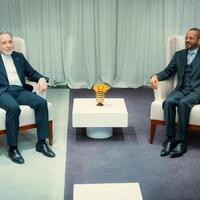
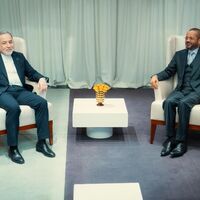
Iranian Foreign Minister Abbas Araghchi met with his Omani counterpart Badr Albusaidi in Geneva on Monday to discuss his countrys position regarding nuclear issues and sanctions relief.
He also stressed Tehrans seriousness in using result-oriented diplomacy to secure the legitimate interests and rights of the Iranian people and preserve peace in the region, according to a ministry statement.
Iran has insisted that the discussions be limited to the nuclear issue, thoughWashingtonhas previously pushed for other topics to be discussed, including its ballistic missiles and support for armed groups in the region.
War games
IransIslamic Revolutionary Guard Corps, the ideological arm of the military, began a series of war games on Monday in the Strait of Hormuz to prepare for potential security and military threats, Iranian state TV said.
Iranian politicians have repeatedly threatened to block the strait, a strategic route foroil and liquefied natural gas, as both sides ramp up pressure with talks set to resume.
US Secretary of StateMarco Rubiotold reporters on Monday: Were hopeful theres a deal. The president always prefers peaceful outcomes and negotiated outcomes to things.
Read moreIran says US has 'more realistic' stance on nuclear issue as it begins Hormuz Strait drills
Araghchi, meanwhile, said on X that he too had come to Geneva with real ideas to achieve a fair and equitable deal, but added there would be no submission before threats.
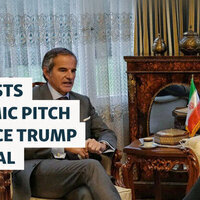
The foreign minister also said he was meeting in Geneva with the head of the International Atomic Energy Agency, Rafael Grossi, for deep technical discussion.
The West fears the programme is aimed at making a bomb, which Tehran denies.
Regime change?
Washington has dispatched Middle East envoySteve Witkoffand Trumps son-in-lawJared Kushner,the White House confirmed on Sunday.
On Friday, Trump said a change of government in Iran would be the best thing that could happen, as he sent a second aircraft carrier to the Middle East to ratchet up military pressure.
The first carrier dispatched to the region, the USS Abraham Lincoln, was positioned about 700 kilometres (435 miles) from the Iranian coast as of Sunday, new satellite images showed.
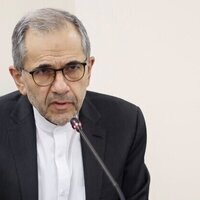
Irans deputy foreign minister Majid Takht-Ravanchi told the BBC that Tehran would consider compromises on its uranium stockpile if Washington liftedsanctionsthat have crippled the countrys economy.
If we see the sincerity on their (American) part, I am sure we will be on a road to have an agreement, he said.
(FRANCE 24 with AFP)
Originally published on France24