

Stressing the importance of multilateralism to create a just, resilient world, speakers today shed light on their respective progress and obstacles to achieving sustainable development, as the Economic and Social Council continued its high-level segment.
Meeting under the theme “Advancing sustainable, inclusive, science- and evidence-based solutions for the 2030 Agenda and its SDGs for leaving no one behind”, the session, including the three-day ministerial segment of the High-level Political Forum, runs through 24 July.
“My country believes that multilateralism is the only way to build a more inclusive and sustainable future,” said the representative of the United Arab Emirates. He outlined various initiatives aimed at advancing women’s rights and addressing climate change. Internationally, the United Arab Emirates is “working to reduce visual disability for thousands of people in Asia and Africa”, he said, adding that: “Our ministry of investment is managing investment flows with transformative capacity to strengthen innovation and to ensure sustainable economic opportunities”.
Malta’s delegate said that the eightieth anniversary of the United Nations serves as a reminder of the urgent need for action on the 2030 Agenda and renewed commitment to strengthen its implementation. “It remains our pathway to a more just, resilient and sustainable world for current and future generations,” she said. But with only five years remaining, the urgency to deliver on the 17 Sustainable Development Goals has never been greater. The stakes are high, and the time to accelerate action is now. “Malta faces unique vulnerabilities from climate change to economic and demographic pressures yet remains firm in our commitment to the SDGs and the principle of leaving no one behind,” she stressed.
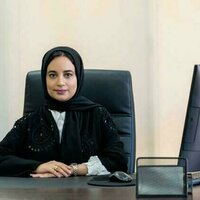
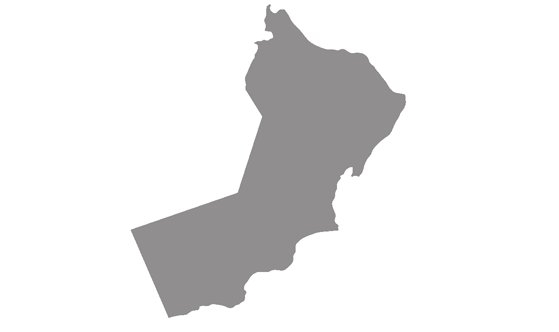
Oman’s speaker said that her Government prioritizes progress on education and health as they are fundamental rights and pillars of sustainable human development. “We also adopt digital transformation as a strategic tool for innovation and advancement through developing artificial intelligence applications and using them in development sectors,” she emphasized. On climate change, Oman has made efforts to enhance its national capacity for resilience and adaptation. “We have also signed 13 agreements in renewable energy and green hydrogen,” she said, reiterating commitment to the SDGs through integrated policies that take into account the environment, economy and social aspects.
Estonia’s representative said her Government is “trying to do its part by sharing its knowledge in the field of digital health solutions such as its progress in “e-health records, e-prescriptions and e-ambulance”. “We also need to collectively promote healthy lifestyles to prevent non-communicable diseases and promote mental health,” she said. She further expressed concern for the indiscriminate attacks on health infrastructures in different conflicts around the world. “This has to stop,” she stressed, adding that these attacks always hit the most vulnerable, especially children.
Ukraine’s representative reaffirmed her Government’s “full support for the Sustainable Development Goals” as the world faces an “alarming slowdown” in progress due to climate change, inequality, and armed conflict. Highlighting the impact of the Russian Federation’s ongoing invasion, Ukraine condemned the “unprovoked, full-scale invasion” that has caused “enormous human suffering and destruction of civilian infrastructure”. Despite the war, Ukraine is “working to rebuild our country with a strong focus on sustainability, inclusion and resilience”. Stressing the real-world context of development in crisis, she said that “over 20 UN agencies are currently operating in Ukraine […] under missile attacks and humanitarian crisis”. “We count on our partners […] to maintain and expand support,” she said, commending those partners for helping “transform this war-driven crisis into an opportunity for sustainable recovery.”
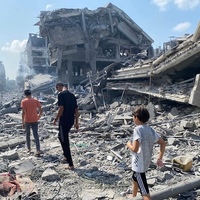
Meanwhile, Cuba’s speaker painted a grim picture of global priorities, warning that “we are denied the resources for development, while trillions are allocated to finance war and genocide”. He stressed that achieving the 2030 Agenda requires “a profound rethinking of the current international order” rooted in “justice, equity and solidarity”. Calling for a “transformative agenda,” he urged deep reforms to the international financial system, including a “multilateral mechanism for the renegotiation of sovereign debt,” better lending terms from multilateral banks, and “inclusive and effective international tax cooperation within the United Nations”. He denounced “unilateral coercive measures that hinder development”, citing Cuba’s 63-year-long suffering.
Myanmar’s representative condemned the military junta for reversing the country’s development gains, stating that “Myanmar is witnessing a serious regression of previous development achievements.” He described how the junta has attacked SDG targets, saying that “the military junta has deliberately attacked the healthcare system” and targeted workers “for providing medical assistance”. The military has also suppressed women for voicing their fundamental rights. He declared, “the military junta and its agency of destruction are not any part of the solution for Myanmar’s development or peace agenda,” and echoed the Secretary-General’s call for “an end to the horror and bloodshed.” Further, he urged the international community to “urgently and effectively support the people of Myanmar and their resilience force”.
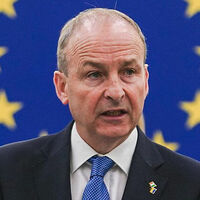
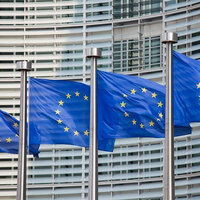
Echoing concern over rights’ violations, the European Union’s speaker said: “This is the time for political partnership and solidarity, not retrenchment.” He condemned all forms of aggression and reiterated the bloc’s commitment to a multilateral system based on human rights, international law, humanitarian law and the UN Charter. Targeting inequalities within and between countries, between men and women, and building peaceful, just and inclusive societies that support different segments including gender equality and the empowerment of women and girls, is key. The European Union will keep working to combat all forms of sexual and gender-based violence, he pledged. “We have rolled up our sleeves a long time ago, and we are eager to keep partnering and to keep making this happen together,” he concluded.
[...]